A Thorough Introduction to Custom Garden Boxes: Materials, Styles, and More
Custom produce boxes serve an essential role in delivering fresh fruits and vegetables. The selection of materials, styles, and sustainable options greatly impacts both preservation and presentation. Understanding these elements can elevate brand differentiation and customer satisfaction. Yet, not all packaging methods are created equal. Exploring the nuances of effective designs can provide critical insights into optimizing freshness and appeal. What factors should be considered when picking the ideal packaging?
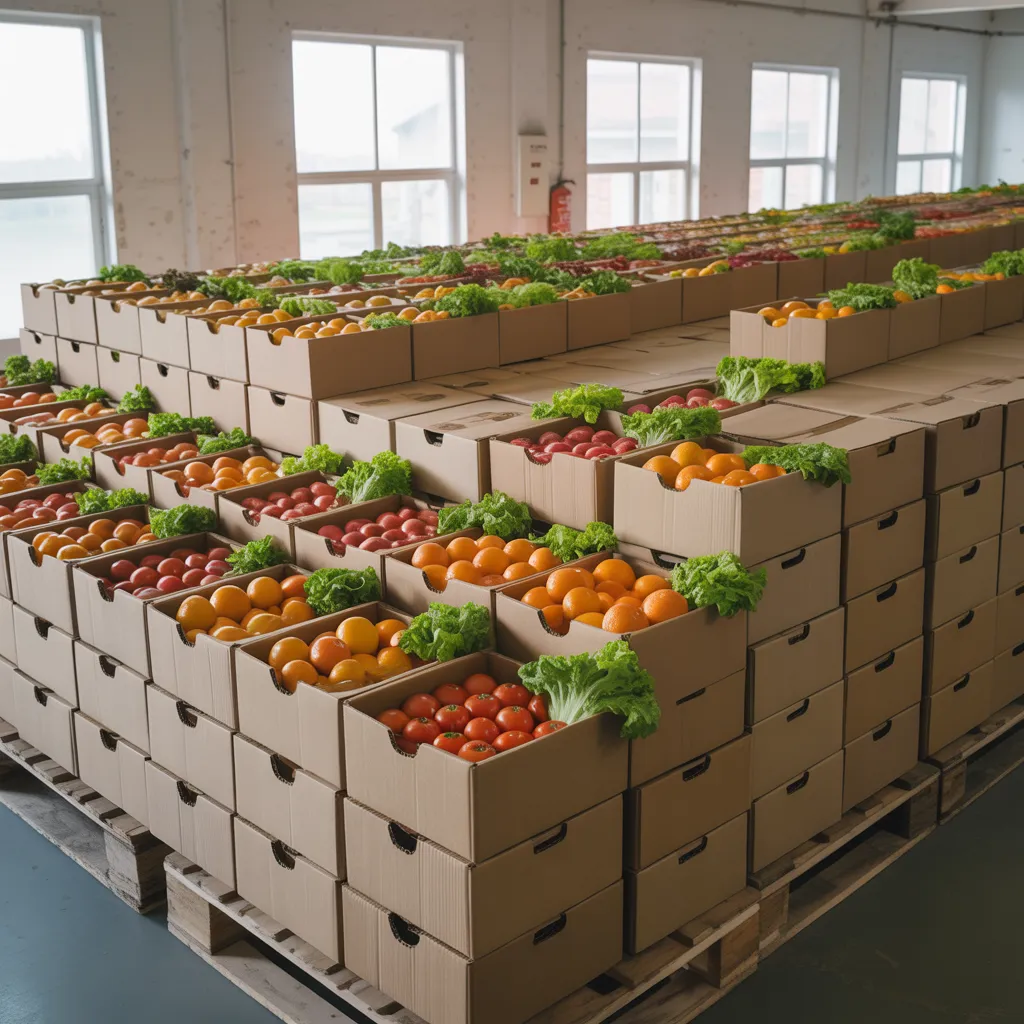
The Worth of Bespoke Packaging Solutions for Fresh Produce
Custom packaging serves an essential function in the protection and display of fresh produce. It ensures that fruits and vegetables remain intact during transportation, minimizing bruising and spoilage. This safeguarding capability is essential for maintaining the quality and freshness that consumers demand. In addition, custom packaging can improve the visual attractiveness, making products more visually attractive to potential buyers. By incorporating unique designs and branding elements, businesses can distinguish their offerings in a challenging marketplace.
Moreover, tailored packaging options can enhance shelf life through features like ventilation holes or moisture control, adjusting to the particular requirements of various fruit and vegetable categories. This flexibility assists in minimizing waste, supporting sustainability goals. Ultimately, personalized packaging solutions serves both practical and promotional objectives, reinforcing brand identity while making sure that fresh produce arrives at consumers in peak condition. As a result, investing in quality custom packaging is essential for producers looking to elevate their products and meet consumer expectations.
Choosing the Right Materials for Your Produce Boxes
Picking the appropriate options for produce boxes is vital for maintaining freshness and ensuring protection during transport. Sustainable options not only appeal to environmentally conscious consumers but also enhance brand reputation. Additionally, the resilience of these materials plays a significant role in safeguarding produce from damage.
Sustainable Material Options
As companies increasingly emphasize sustainability, finding the right substances for produce boxes has become crucial. Eco-friendly options include recycled cardboard, which lowers waste and uses less energy in production. Biodegradable materials, such as cornstarch-based plastics, offer an alternative that breaks down naturally, lessening environmental impact. Additionally, bamboo and other rapid-growth plants serve as sustainable sources, providing strength and durability. These materials not only match eco-conscious values but also cater to a growing consumer demand for sustainable practices. Organizations can further boost their sustainability by opting for soy-based inks and minimal designs, lowering the overall environmental footprint while maintaining an appealing aesthetic. Ultimately, selecting sustainable materials reflects a commitment to both quality and environmental responsibility.
Longevity and Protection Considerations
Determining appropriate materials for produce boxes centers on strength and safeguarding. High-quality materials, such as corrugated cardboard or robust plastic, function as a essential aspect in preserving contents during transport and storage. Corrugated cardboard offers remarkable durability-to-weight balance, providing ample protection from impacts while maintaining light. Conversely, plastic options may prove more resistant to water and pests, enhancing the lifespan of the produce. Furthermore, adding components such as strengthened borders or air passages can further safeguard the contents and maintain freshness. Ultimately, opting for the right materials guarantees that produce boxes not only handle the rigors of the supply chain but also deliver fresh undamaged products to consumers, thus enhancing client contentment and brand reputation.
Which Styles Function Best for Custom Produce Boxes?
When considering the ideal designs for custom produce boxes, it's essential to combine practicality with aesthetic appeal. Several styles stand out for their success in showcasing products while guaranteeing safe transport.
The classic open-top crate guarantees excellent ventilation, making it well-suited for products that need airflow, such as greens. Alternatively, the self-locking box configuration provides ease of assembly and enhanced safety, excellent for delicate vegetables.
For marketing reasons, display boxes enable customers to see the contents, improving aesthetic attractiveness and confidence. Furthermore, stackable designs maximize storage capacity, benefiting vendors and consumers alike.
Ultimately, the implementation of dividers within boxes helps maintain organization of different produce types, minimizing damage during transit. By merging these approaches, companies can create custom produce boxes that not only protect the contents but also attract customers through innovative design.
Environmentally Conscious Solutions for Sustainable Packaging
Custom produce discover here boxes now rely on sustainable packaging options that have become increasingly vital in their design. Manufacturers emphasize materials that minimize harm to the environment while keeping functionality. Recycled cardboard and biodegradable plastics are popular choices, because they cut down on waste and promote a circular economy. These materials effectively protect produce, ensuring freshness and quality during transport.
Moreover, water-based inks and adhesives are gaining traction, supplying a non-toxic alternative for binding and finishing. The use of recyclable organic matter further enhances sustainability by letting purchasers to dispose of packaging without increasing landfill waste.
Moreover, minimalist designs can help lowering transportation emissions, which makes the entire supply chain more green. As consumer awareness of sustainability rises, brands are encouraged to use these eco-conscious options in their custom produce boxes, aligning with ethical practices and appealing to environmentally minded customers. Such initiatives not only benefit the planet but also enhance the brand's reputation.
Develop Graphics That Allow Your Produce Boxes to Stand Out
Ensuring that fruit packages get attention, robust imagery function as a vital element. Visually appealing color selections, creative font options, and dynamic visual components can considerably elevate visual charm. These features both attract clients and communicate brand personality in a meaningful way.
Eye-Catching Color Schemes that grab attention
While developing custom produce boxes, selecting eye-catching color schemes serves as a vital component in attracting consumer attention. Vibrant colors can stir feelings and communicate quality, making them ideal for fruit and vegetable containers. Bright greens, rich reds, and warm yellow shades are often associated with wellness and good health, appealing to nutrition-focused buyers. Contrasting colors can enhance readability and emphasize vital details, focusing attention on critical information such as item titles or eco-friendly credentials. Moreover, incorporating seasonal colors can build a feeling of time-sensitivity and importance, promoting spontaneous sales. Ultimately, a well-thought-out color scheme not only enhances visual appeal but also reinforces brand identity, ensuring that the produce boxes stand out in a challenging marketplace.
Distinctive Typography Options
Typography works like a potent device in creating custom produce boxes, where singular font options can enormously boost visual charm and brand identity. Via picking rare typefaces, brands can communicate their personality and values, differentiating themselves in a crowded market. For example, playful fonts might evoke a sense of fun and freshness, while elegant serif fonts can suggest premium quality. Additionally, the size and weight of typography play essential roles; bolder text can draw attention, while lighter fonts can create an airy feel. Proper alignment and spacing further contribute to the overall aesthetic, ensuring readability and impact. Ultimately, thoughtful typography choices can transform a simple produce box into a compelling marketing tool, effectively engaging consumers.
Interactive Design Elements
Distinctive typography choices lay a solid foundation for effective packaging design, but incorporating engaging interactive features can enhance custom produce boxes even further. These components captivate consumers and improve their experience, making the packaging memorable. Methods such as QR codes can deliver customers with additional product information, recipes, or promotional offers, building a connection between the brand and the consumer. AR technology features can convert a simple box into an engaging experience, enchanting tech-savvy audiences. Textured surfaces and distinctive closure systems also encourage tactile interaction, prompting customers to discover the product inside. By integrating these interactive components, brands can develop produce boxes that not only safeguard the contents but also serve as a dynamic marketing tool, boosting overall appeal and customer satisfaction.
Perfecting Your Produce Box for Shipping
Optimizing a produce box for transport necessitates various significant aspects to assure vitality and decrease waste. First, selecting the correct materials is crucial; corrugated cardboard is often favored for its resilience and thermal properties. Additionally, adding air-permeable designs helps regulate dampness and airflow, preventing spoilage.
Next, the internal layout must be carefully organized to minimize movement during transit. Using dividers or inserts can protect produce from damage, reducing bruising. Moreover, thermal regulation is critical; adding cooling elements or protective barriers can help preserve the ideal environment for perishable items.
Labeling is also significant, as thorough instructions on management and care can assist with preserving product quality. Finally, selecting an appropriate shipping partner ensures timely delivery, further boosting freshness. By concentrating on these factors, businesses can effectively enhance their produce boxes for dependable and effective shipping.
Regularly Requested Answers
What Steps Should I Take to Ensure My Produce Boxes Tamper-Proof?
To guarantee produce boxes are secure from tampering, one should use secure sealing methods, add anti-tampering indicators, and select sturdy materials. Regularly inspecting packaging integrity also supports goods protection and customer confidence.
Understanding the Regular Lead Times for Custom Curated Produce Box Placements?
Expected manufacturing timelines for custom produce box orders range from two to six weeks, based on design demands, materials, and manufacturer capacity. Consistent communication with partners can help guarantee effective processing and delivery.
Am I Able to Place Orders for Low Quantities of Bespoke Produce Boxes?
Yes, small quantities of custom produce boxes can commonly be placed. Many merchants help with such requests, often offering threshold order amounts that meet businesses with limited needs or those experimenting with new delivery options.
Do specific guidelines exist for packing fresh produce?
Yes, there are particular rules for packaging fresh produce, such as safety standards, label specifications, and material standards. These rules ensure food safety, maintain quality, and provide necessary information for consumers concerning handling and storage.
How Can I Guarantee My Produce Stays Fresh During Shipping?
To keep produce freshness in transit, one should employ insulated packaging, regulate temperature, ensure sufficient airflow, and choose moisture-regulating materials. Frequent checks during transport is crucial to decrease deterioration and prolong shelf life.